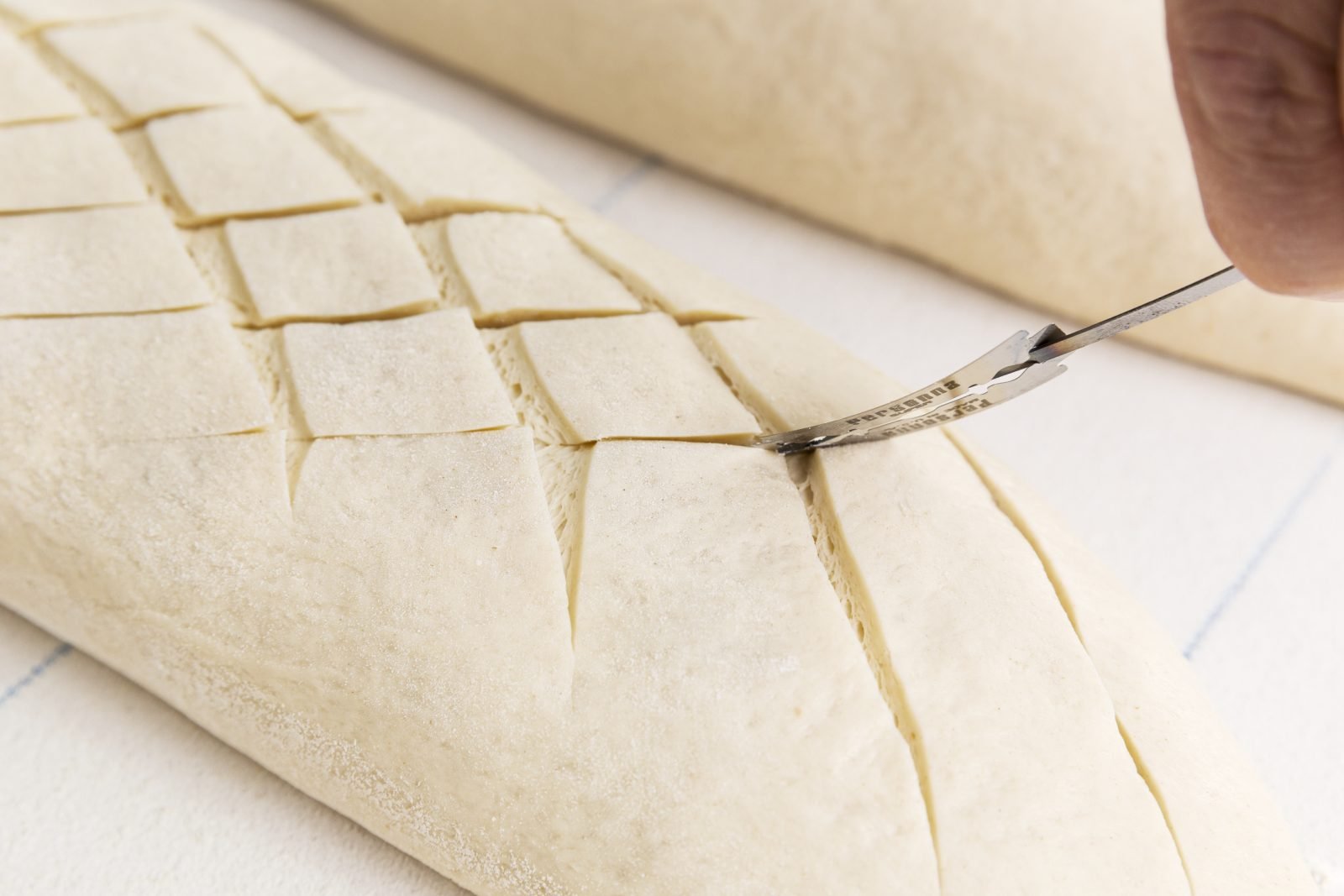
When you “score” dough, you’re creating a slit (or slits) in the top of the loaf before baking. Scoring is a crucial step for most doughs because it facilitates the necessary expansion of a loaf. Not all doughs need scoring, and it can sometimes be just for aesthetic purposes depending on the bread type. We prefer scoring breads with high gluten content and a firm texture. Many breads, like sourdough, require a score in order to guide the oven spring and optimize the shape of the baked loaf.
We’ve even experimented with scoring pizza dough. While it’s not something you’d do for your everyday pie, it’s a fun way to borrow bread techniques and see what happens when they’re applied to a pizza rim. Scoring creates small cuts along the edge, much like on a sourdough loaf, and can give the crust a decorative, earlike lift. You can also try an epi cut—snipping the rim with scissors and gently pulling the dough to create a wheat-stalk effect. Though unconventional, these methods add an unexpected, artisan touch to pizza.
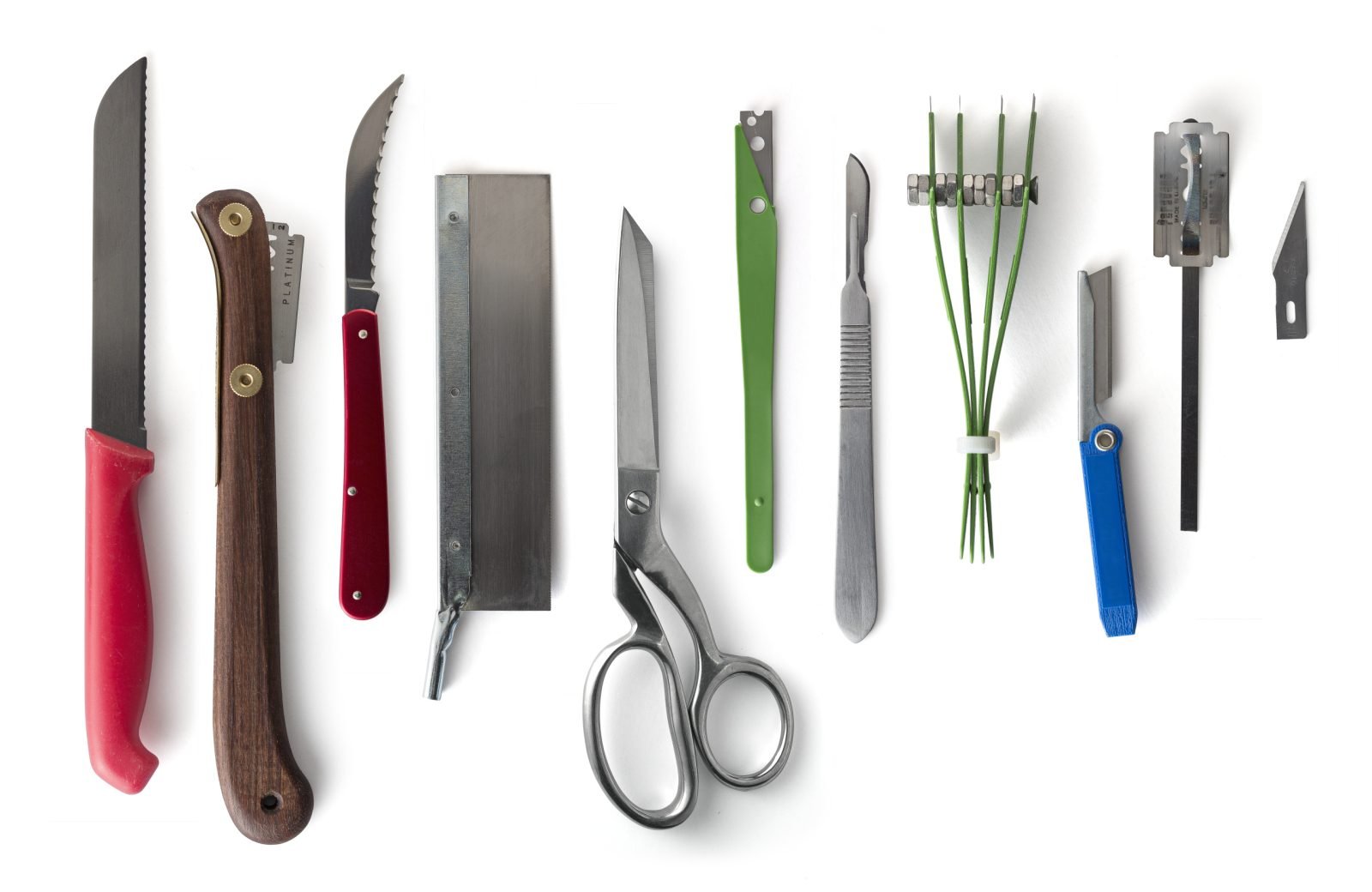
Tools for Scoring
You’ll need a tool for scoring, but it doesn’t need to be complicated or expensive. The main consideration is that it must be razor-sharp. Also, thin blades produce cleaner cuts than thick ones. Blades that can be curved will be more versatile than inflexible ones that can’t easily create flaps in the dough.
Our go-to tool is a classic lame (pronounced lahm). Disposable depth-guide lames are a good choice for beginners because they promote even cuts and prevent slicing too deeply. We’ve seen many other tools used too, though each has drawbacks: serrated paring knives, X-ACTO blades, scalpels, even a wooden coffee stirrer joined to a razor blade.
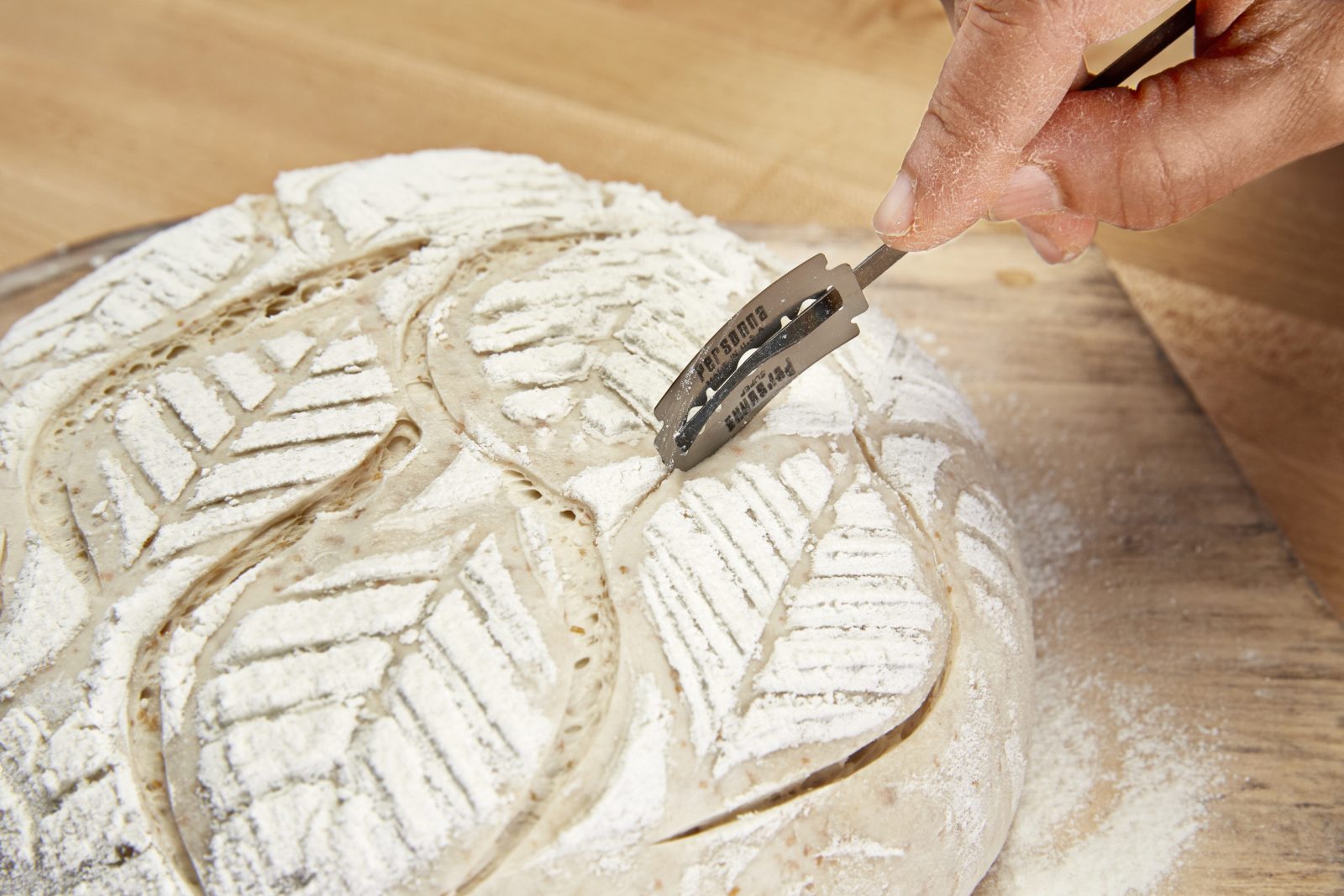
Key Points to Scoring
Use only the tip of your blade to score. Using the whole blade is cumbersome and won’t produce a clean cut—the whole blade is more likely to catch on the dough and rip it. For most dough shapes, cut at a shallow angle (10–25°).
Cut quickly and assertively; do not hesitate. Cutting slowly and tentatively can cause the blade to catch.
Know how deep to go. If you cut too deeply, you risk deflating the dough significantly. Cut too shallow, and the dough may not expand well, which could lead to blowouts. We recommend cuts that are 3–6 mm deep.
Score to the same depth each time. As a loaf of bread bakes, it generates steam that pushes aggressively along the paths of least resistance. Scoring to the same depth helps the loaf expand evenly.
Think about the pattern you want to create. Some loaves will look attractive with symmetrical cuts, but you can create asymmetrical patterns too.
Keep your blades clean. If you bake daily, or even frequently, change your blades every day or two. Be careful—blades are sharp. Crusty blades can be soaked in water to soften the buildup. (Just don’t forget they’re soaking when you reach into the sink or container.) Then wipe them carefully with a clean paper towel.
Keep your lames in a safe place. If you leave blades lying around, the risk of getting cut skyrockets. The prospect of losing a blade in a loaf of bread is even worse.
Modernist Bread at Home offers an assortment of scores that you can try on page 112.